Pork Shumai (Better Than Takeout, Faster Than Delivery)
The Masterclass

Pork Shumai (Better Than Takeout, Faster Than Delivery)

Experience the bold aesthetics of Culinary Arts.

Don't skip the slapping. Once your filling is mixed, you pick up the whole mass and throw it back against the bowl 10 to 15 times, and that hard, slightly silly-feeling step is what gives shumai their springy bounce instead of a crumbly, sad texture. The wrapping looks fussier than it is: you're not pleating anything closed, you're gathering the wrapper up around the filling and leaving the top open, then tapping the bottom flat so it stands up. You can do this with wonton wrappers and a basic steamer basket, no special gear.

The Backstory

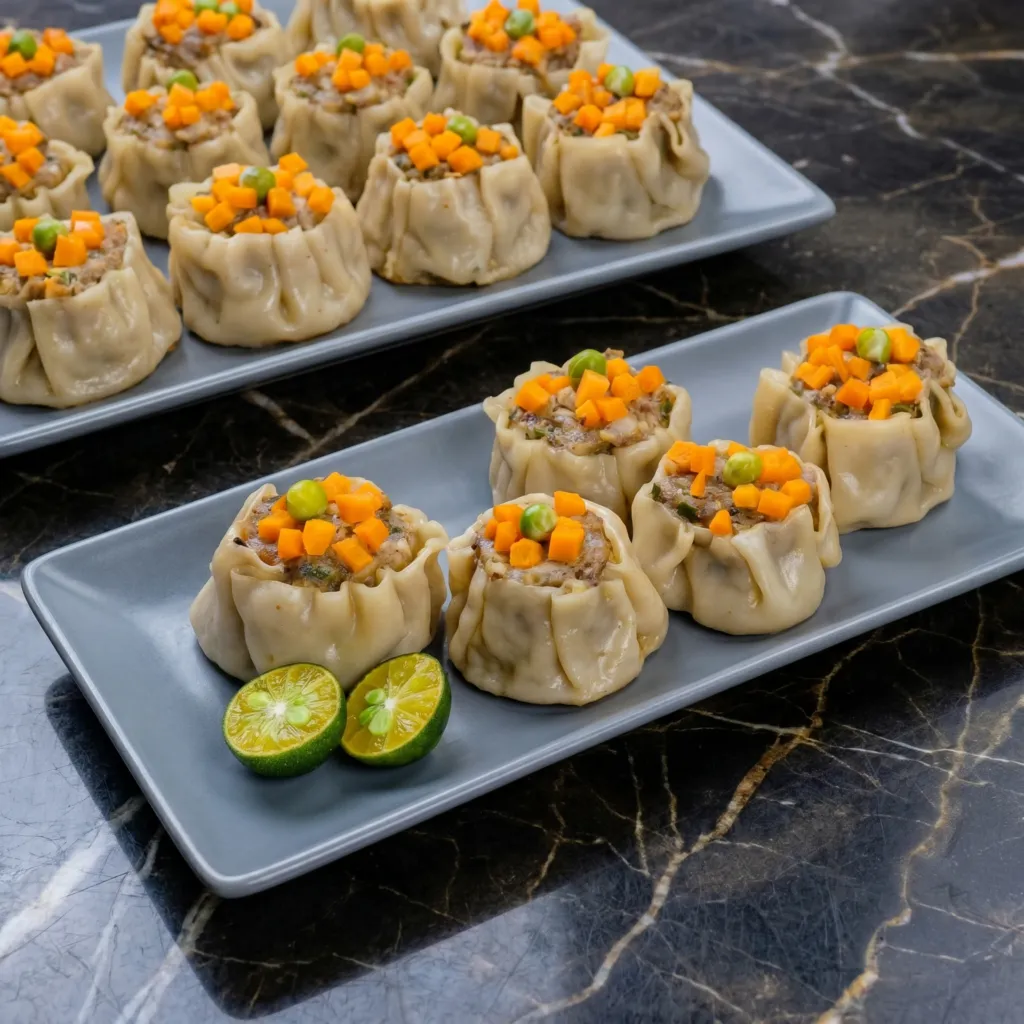
Shumai grew out of the Chinese dim sum tradition and put down roots across Asia, which is why you'll see it served with calamansi in the Philippines and labeled "siomai" or "shumai" depending on where the cook learned it. The open-topped barrel shape is the giveaway that it's meant for steaming and showing off the filling, not for sealing shut like a dumpling.

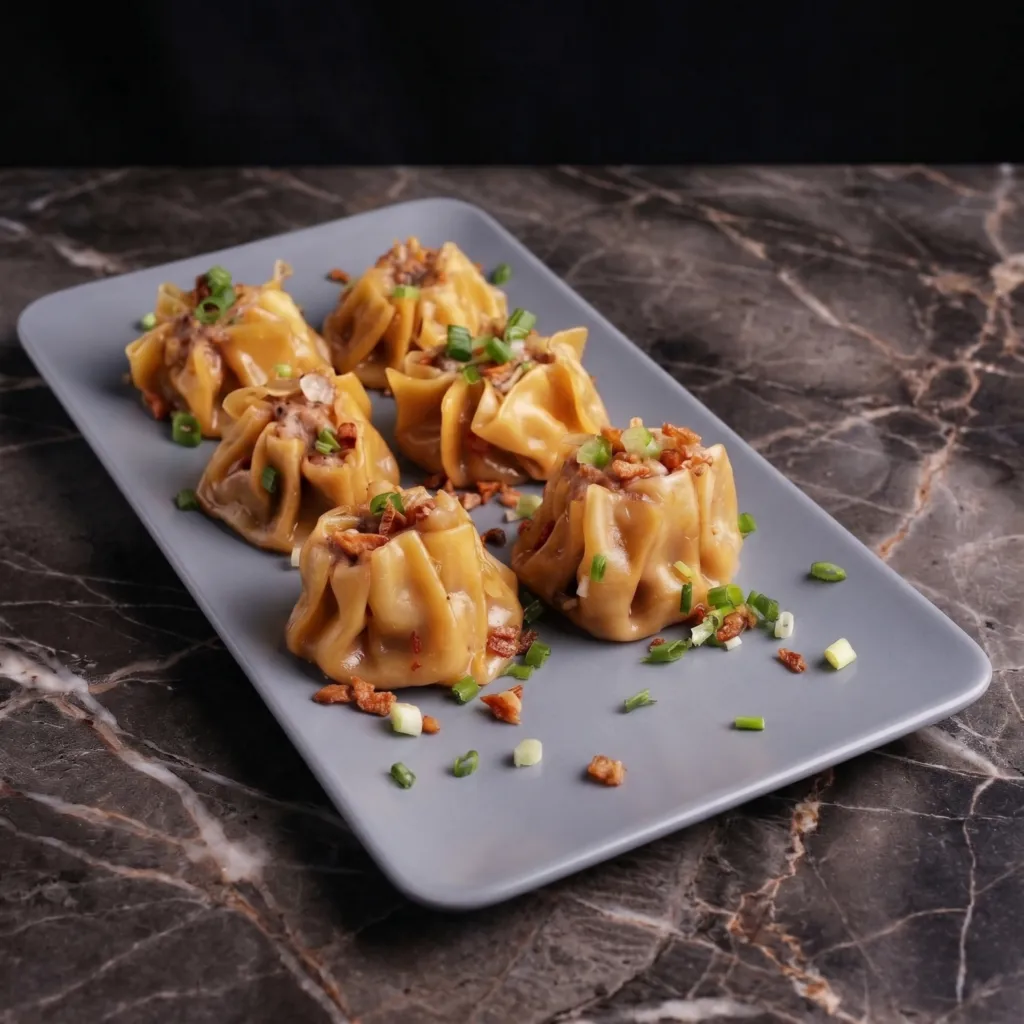
Shumai (or siomai) are the dumplings that always sell out first. Now you’ll know why. Juicy pork, bouncy shrimp, earthy mushrooms—all wrapped in a sunny yellow wrapper.

No pleating. No fancy folding. Just scoop, wrap, steam, and dip. Dim sum at home. Your Sunday just got better.

Step-by-Step Instructions

1

Make the Filling

In a bowl, combine pork, shrimp, mushrooms, green onions, and egg.

Add soy sauce, oyster sauce, sesame oil, sugar, and white pepper.

Mix well. For bouncy texture, slap the mixture against the bowl 10-15 times.

2

Wrap the Shumai

Place a wrapper in your palm. Add 1 tablespoon of filling in the center.

Gather the edges up around the filling, leaving the top exposed.

Tap the bottom flat. Squeeze gently to form a barrel shape.

3

Steam

Line a steamer with cabbage leaves or parchment paper (poked with holes).

Place shumai 1 inch apart. Steam over boiling water for 8-10 minutes.

4

Serve

Serve hot with soy sauce, calamansi (or lemon), and chili oil.

Summary

Prep Time: 25 minutes | Cook Time: 10 minutes | Total Time: 35 minutes

Yield: 25-30 shumai

Difficulty: Easy (seriously, no pleating)

Storage Notes

How to Store:

  • Fridge (uncooked): Arrange on a tray, cover tightly, refrigerate for 1 day.
  • Freeze (uncooked): Freeze on a tray for 2 hours, then bag. Freeze 3 months. Steam from frozen, add 3-4 minutes.
  • Cooked leftovers: Fridge for 2 days. Reheat by steaming, not microwaving.

Pro Tip:

The slapping step isn’t optional. It makes the filling bouncy and springy—just like dim sum restaurants. Trust the slap.

Swaps & Substitutions

Questions & Answers

Why did my filling turn out crumbly instead of bouncy?

You probably under-mixed or skipped the slapping. Throwing the filling against the bowl 10 to 15 times develops the proteins so it binds into that springy, dim-sum texture. Give it the full count.

How do I know the shumai are done?

Steam 8 to 10 minutes over boiling water and the pork will be firm and opaque with no pink inside. If you're unsure, cut one open or check that the center hits 160F.

Can I freeze these to cook later?

Yes. Freeze the uncooked wrapped shumai on a tray first so they don't stick, then bag them for up to 3 months. Steam straight from frozen and add 3 to 4 minutes.

My shumai stuck to the steamer. What went wrong?

Bare metal grabs the filling. Line the basket with cabbage leaves or perforated parchment and space them an inch apart so steam circulates and they release cleanly.

The tops cracked or dried out while steaming. How do I fix that?

Your water likely boiled too hard or you steamed too long. Keep it at a steady boil, not a violent one, and pull them right at the 10-minute mark. A snug lid keeps the tops moist.

Fuel your
stomach.

Curated recipes delivered weekly.